

Mixed-Use Communities Are Changing Urban Living in the Region
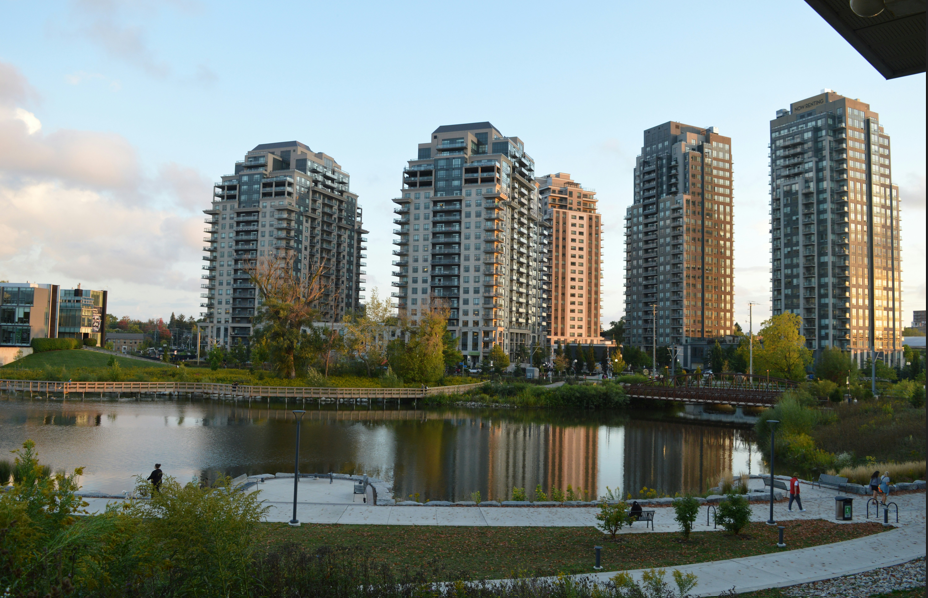
Across the Gulf region, the concept of urban living is rapidly evolving. Cities like Dubai, Riyadh, and Doha are witnessing a significant rise in mixed-use developments, large communities designed to combine residential, commercial, retail, and leisure spaces in one integrated environment.
Traditionally, urban planning in many cities separated living, working, and entertainment districts. Residents commuted between home, office, and commercial areas daily. However, as populations grow and lifestyle expectations shift, developers across the GCC are embracing an effective model that places everything within a single community.
Mixed-use developments are quickly becoming one of the defining trends shaping the future of real estate in the region.
The Challenge: Traditional Urban Layouts
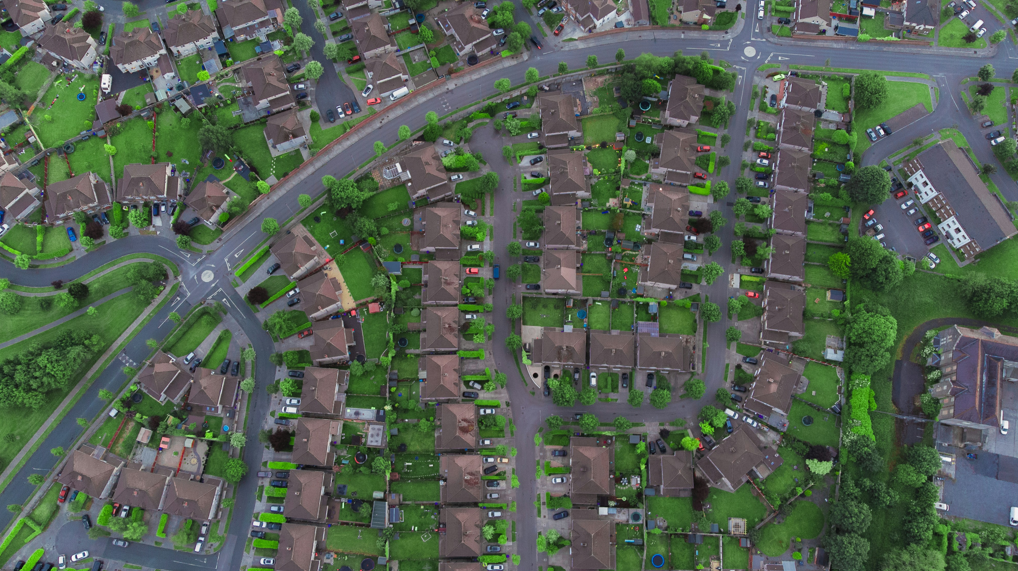
Before the rise of mixed-use communities, many GCC cities relied on urban layouts that separated residential neighborhoods from business districts and retail hubs. While this model worked during earlier stages of urban growth, it began to present several challenges:
- Increased traffic congestion and long daily commutes
- Limited accessibility to services within residential areas
- Reduced lifestyle convenience for residents
- Underutilized commercial spaces outside working hours
As cities expanded rapidly, developers and urban planners began exploring new ways to create more efficient and livable environments.
The solution was the emergence of large-scale mixed-use communities designed to integrate multiple aspects of daily life.
The Turning Point: Integrated Communities
Over the past decade, several landmark projects across the GCC have demonstrated the success of the mixed-use model.
Developments now include:
- Residential apartments and villas
- Office spaces and business districts
- Retail centers and restaurants
- Entertainment venues and leisure facilities
- Parks, public spaces, and community services
By placing these elements within a single master-planned development, mixed-use communities reduce commuting time and create vibrant neighborhoods where people can live, work, and socialize in the same area.
The Rise of Master-Planned Communities
Consider a large mixed-use development located in the growing suburbs of Riyadh. The project was designed to accommodate thousands of residents while also serving as a business and lifestyle hub.
Before the development launched, residents in nearby districts often traveled long distances to reach offices, shopping centers, and recreational spaces.
The new mixed-use project integrated several key elements:
- Residential towers and family housing units
- Office spaces for corporate tenants and startups
- Retail districts with restaurants and shopping outlets
- Entertainment zones and green public spaces
This integrated structure created a self-sustaining urban environment where residents could access most daily needs within minutes.
The Result:
- Higher property demand and stronger occupancy rates
- Increased property values within the community
- Stronger foot traffic supporting retail businesses
- Improved quality of life for residents
Mixed-use developments proved to be not only attractive for residents but also highly profitable for developers and investors.
The Role of Technology in Managing Mixed-Use Communities
As these communities grow larger and more complex, managing them efficiently requires advanced property management systems.
Developers and property managers must oversee multiple components simultaneously, including:
- Residential lease management
- Commercial tenant operations
- Maintenance and facility management
- Revenue tracking across different property types
- Community service requests and communications
Digital property management platforms allow operators to centralize these operations and maintain full visibility across the entire development.
This integration helps ensure that mixed-use communities function smoothly while maintaining a high standard of service for residents and businesses.
The Future of Urban Living in the GCC
The rise of mixed-use developments reflects a broader shift in how cities across the GCC are being designed. Governments and developers are increasingly focusing on sustainable, walkable, and technology-enabled communities.
As urban populations continue to grow, the demand for integrated living environments will only increase.
Mixed-use developments are not simply real estate projects, they represent the next generation of urban living, where residential, commercial, and lifestyle experiences come together in a single ecosystem.
The Takeaway
Across the region, mixed-use communities are transforming how people experience city life. By integrating living, working, and leisure spaces into one cohesive environment, developers are creating neighborhoods that are more convenient, vibrant, and economically sustainable.
For real estate investors, developers, and property managers, this trend highlights an important reality: the future of real estate is no longer just about buildings, it’s about creating complete urban ecosystems.